Vincent S Coster: Artist
Artist Statement:
I am an emerging artist who is re-engaging with my practice since returning home to Ireland in 2024.
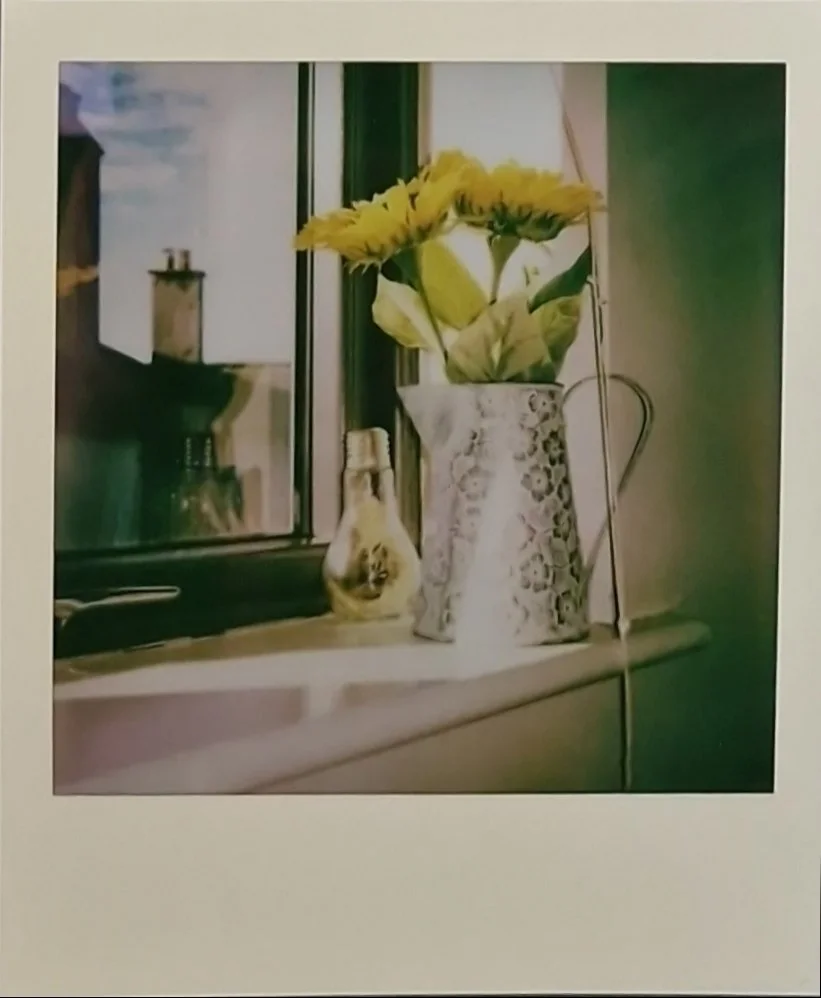
Using paints, pastels, poetry and photography, I aim to capture strong images that live on in the mind and highlight the joy of being alive and the wonder of human beings interacting with one another, even when they are not aware of the people around them.
Despite being colourblind, I like to work in strong luminous colours. When shooting photography, I often do not see the colours around me until I am processing and developing the images.
Along with personal projects through which I try to work out my emotional responses to different events, both personal and universal, I also take commissions for work as a photographer and artist, with the desire to provide strong images for my clients. This commitment stands across my business, whether it is family portraits as a photographer or creating fine art photographic prints and one-of-a-kind paintings.
Artist Bio:
Vincent S. Coster is an emerging artist who was born in Co. Dublin (1976) but grew up in Bray. He is now based in Wexford after living in the UK for 14 years.
He began his creative work in 1996, when he started writing poetry as a serious practice. His first book was a limited print collection released in 2001. Since then, he has published nine collections of original poetry and two anthologies of his work.
In 2000, he started experimenting with oil paints, largely self-taught but attending a number of workshops, he began compiling a collection of somewhat explicit images that were destroyed in a bonfire following an argument with his then girlfriend, who was not pleased with the nude paintings, fearing the reaction of her family if they mistook her for the model.
In 2005, he began experimenting with photography, thinking this would be a means to record scenes because of his aphantasia, which prevents him from seeing images in his mind, but soon he began to experiment with this medium.
In 2008 and 2009, he exhibited his works in an unselected show of works rejected by the RHA, at The Bad Art Gallery in Dublin.
In 2010, he moved to England and took a break from working as a serious artist when he became a stay-at-home father and home educator to his two daughters. He continued to write and published the bulk of his poetry at this time, but his focus was as a homemaker and carer to his children.
In 2022, following the easing of the pandemic conditions, he began shooting street photography around England, mostly to fill time while standing outside Claires and other shops waiting for his wife and children. This then became an obsession, which he continued when, in 2024, he returned home to Ireland.
After moving home to Ireland, he began reconnecting with his practice as a serious thing and, since then, has published two poetry books and completed a landscape series.