My aversion to virality in photography
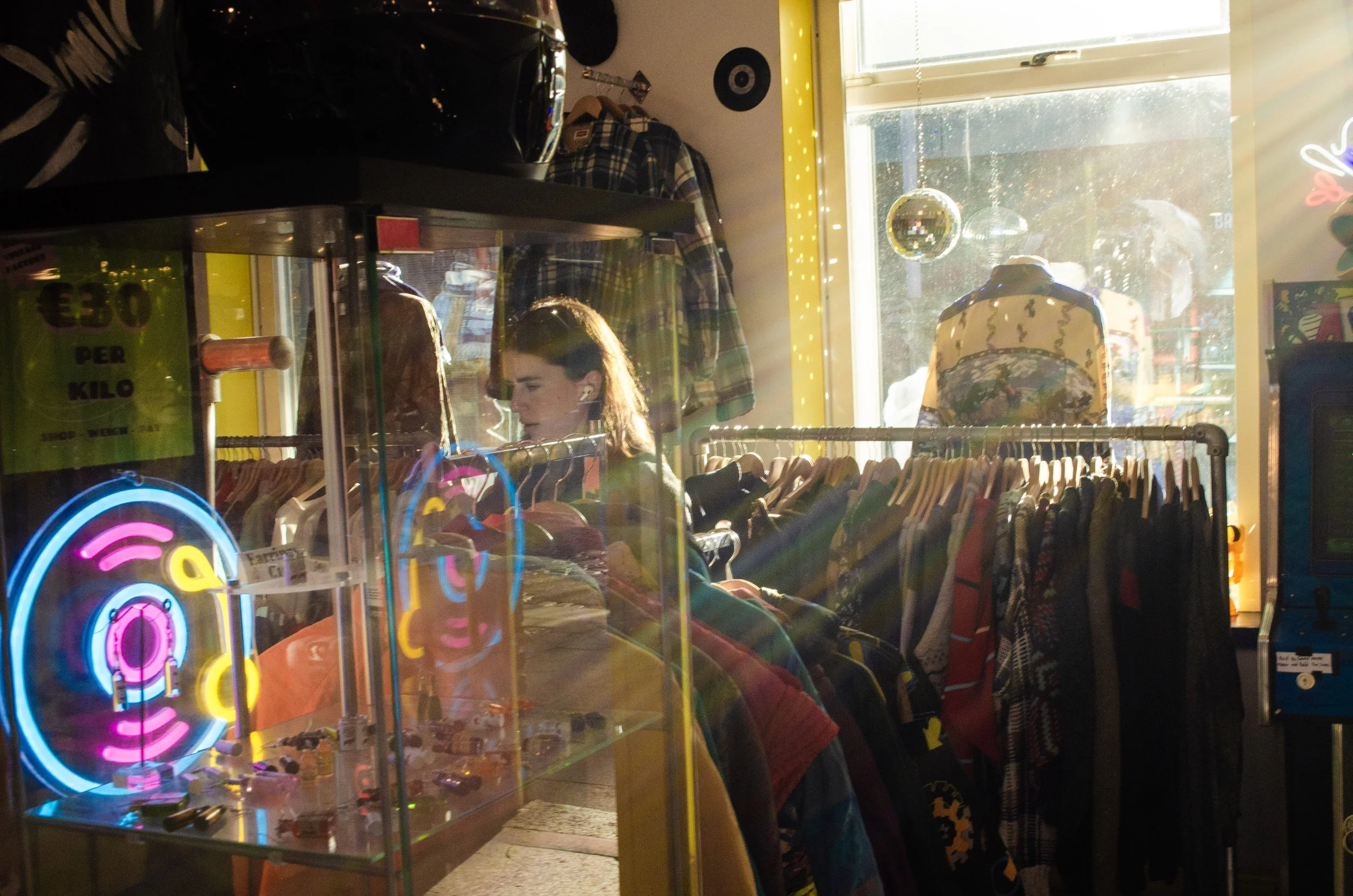
Refracted Light: Shopping in Temple Bar © Vincent S. Coster 2026
In this picture, I am pursuing my main subject in photography, the light itself.
Virality is one of the main driving forces in photography now. But it is a problem.
It might seem like a made-up word to you. But then all words are made up at some point and, in any living language, are a sign that the language continues to grow and adapt to the world around it.
What virality is used to describe is the growing pattern emerging in the online presentation of photography where a photographer will make an image that is designed to tick the right boxes for algorythms to push this image enabling it to reach a larger audience and to “boost” a photographer’s online presence thus driving their saleabilty to prospective employers, clients and also to drive print-sales.
This makes sense, or so many photographers believe, because if you are not making content, then you are not making hype, and without hype, you are not being seen or spoken about, and this, after all, is an important facet in getting paid.
In our trade, we all know that we need to take the odd job that pays nothing. The promise of being advertised is as good as anything when starting in the practice. But this only has limited returns. Shooting for virality is a lot like working for exposure. It promises much, but seldom ever gives anything back. The sad truth of shooting for either of these things is that you are doing real work simply for the promise of reward, and both, in the end, offer you only one thing. Limited, passing publicity.
That, my friends, is it.
It seldom leads to anything of benefit. Mind you, working for exposure at the beginning gives you the experience of running a shoot, as well as a body of work that you can use to show prospective clients what you can do. So that explains why some will do this kind of work in their early days.
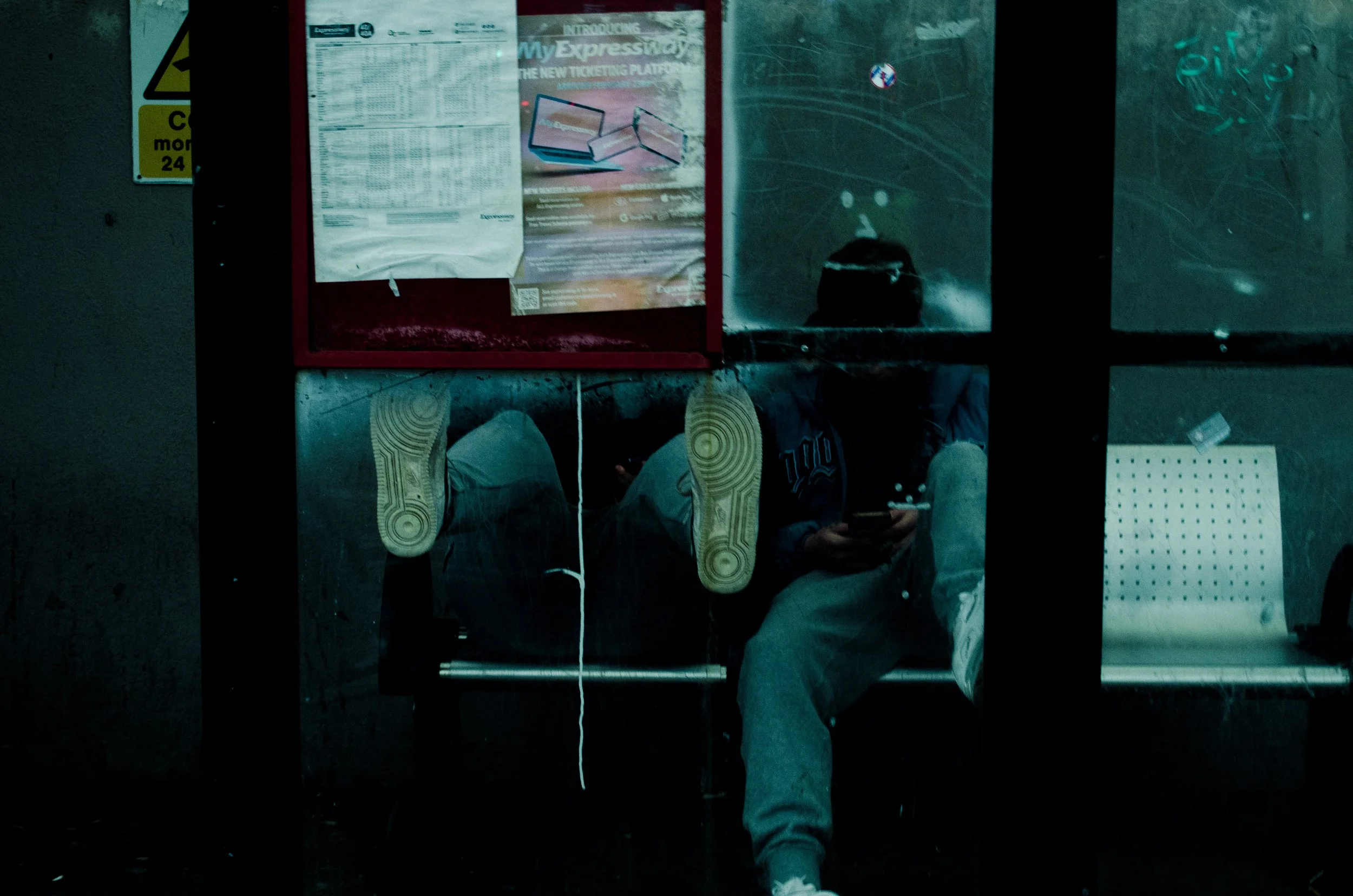
Kids in the bus shelter © Vincent S. Coster 2025
However, shooting for virality does not do anything to help a photographer. In fact, it can harm a photographer. I do not say this to be alarmist. I say this because it is true, and it is not just me who thinks this. So many other people who work in the industry are saying the very same thing.
How does it damage you?
It can stunt your processes for capturing images. It makes you conform to the idea that every image you take should be neat and tick boxes for some computer algorithm. Instead of making photographs that are interesting and even moving, you will simply make images that feed the beast of social media. Driving you to constantly create for likes and shares.
Of course, we make art for others to see. We want people to see our work and to admire it. But when we make only for likes and shares, then the transaction is hollow and meaningless. Ultimately fruitless. Creativity should not be simply about being seen. We should create because we want to say something, and feel compelled to make images. This is the first and foremost motivation to make images.
Being seen does have its rewards, of course. But not at the expense of the very thing that will make your photographs worth looking at in the long run. Your own unique voice, which you will lose if you continue shooting photographs only for the sake of getting lots of views and likes on social media. At the end of the day, we are not merely making content. We are making images, either for artistic purposes, commercial purposes, or simply for those who want to remember or be remembered. It is this that we must focus on when shooting our images.
So what will be your intention? Images that will last and speak to people for decades, even centuries, or images that will get shared and liked for a day on Instagram before slipping from the radar, while you feel compelled to shoot another just to get the same reaction? I know what I want, I know what I shoot for.
© Vincent S. Coster 2026
